
Beneficiary Representation in Orange County & LA County
Top Ranked Trust & Probate Lawyers in California
☰ Quick Facts About This Page
- Beneficiaries can demand trust information
- Trustees must follow strict duties
- Accountings often reveal key problems
- Delays may signal mismanagement
- Court petitions can force transparency
- Removal and surcharge claims are possible
- Missing assets can be recovered
- Real estate conflicts are common
- Mediation may reduce legal costs
- Court procedures vary by county
Protecting Beneficiaries in California Trust and Probate Matters
Beneficiary representation means protecting your rights when you are entitled to receive an inheritance through a trust, a probate estate, or both. Many beneficiaries assume they have to wait quietly until the trustee or executor decides to act. In California, that is not how the law works.
In California, beneficiaries have enforceable rights that matter when the trustee or personal representative is required to provide information and follow probate laws.
In Orange County and Los Angeles County, beneficiary concerns often start the same way. Calls and emails go unanswered, distributions stall, and questions about assets are met with vague explanations. Sometimes the trustee is overwhelmed and disorganized. Other times, the problem is more serious, such as self dealing, favoritism, or missing property.
An experienced trust and probate attorney from Max Alavi, Attorney at Law, APC helps beneficiaries enforce their rights, obtain accountings, and pursue court orders when a trustee or personal representative is not handling the matter correctly.
Our Trust Litigation Case Process

1. Case Evaluation
We begin with a full review of the trust, will, financial records, and family history. Our legal team will identify your rights, deadlines, and the best legal path before anything is filed.

2. Court Filings
The case formally begins when a probate petition or trust lawsuit is filed in California probate court, often in Orange County Superior Court. This step sets the legal issues, brings all parties into the case.

3. Discovery and Settlement
Both sides exchange documents, take depositions, and file motions to address disputes. Many trust and probate cases resolve here through settlement discussions or court ordered mediation.

4. Trial and Resolution
If no agreement is reached, the case proceeds to trial before a probate judge. After a ruling, the court orders distributions, removals of fiduciaries, or financial recovery, and we handle enforcement or appeals if needed.
Begin Your Free Case Evaluation Now
Call to schedule a free and confidential consultation with a trust litigation lawyer.

Common Beneficiary Issues We Handle
Beneficiary disputes can take many forms. Our law firm and legal staff regularly represents beneficiaries in matters involving concerns such as:
- No communication from a trustee or executor
- No trust accounting or incomplete reporting
- Unexplained spending, reimbursements, or withdrawals
- Distributions delayed without a clear reason
- One beneficiary favored over others
- Real estate disputes, occupancy, sale, buyout disagreements
- Assets that appear missing or wrongly titled
- Suspicious amendments or last minute changes
- Conflicts involving family businesses or complex investments
California trustees have a core duty to administer the trust according to its terms under Probate Code section 16000.
Beneficiaries also commonly rely on Probate Code section 16060, which addresses the trustee’s duty to keep beneficiaries reasonably informed, and Probate Code section 16062, which addresses trust accounting requirements in many situations.
In probate estates, similar problems can happen with the executor or administrator. When the person in charge is not acting appropriately, the probate court can step in and issue corrective orders.
Top FAQs About Beneficiary Representation
When should I speak with a beneficiary rights attorney?
If you are receiving vague answers, no accounting, long delays, or you suspect misuse of assets, it is smart to speak with counsel early. Waiting often makes it harder to gather records and protect property.
Do beneficiaries have a right to information about the trust?
Often, yes. Trustees have duties to keep beneficiaries reasonably informed, and beneficiaries can enforce those duties through probate court procedures when the trustee refuses transparency.
Can I force a trustee to provide an accounting?
In many cases, yes. California law includes accounting requirements for trustees in many situations, and probate court can issue orders compelling a proper accounting when the trustee does not comply.
Can a beneficiary remove a trustee?
Yes, when the facts justify it. Removal requests are commonly filed through probate court petitions, and the judge evaluates whether the trustee’s conduct, conflicts, or mismanagement support removal.
What if I believe trust or estate assets are missing?
Missing assets often involve bank accounts, real estate title issues, or transfers made close to death. Probate Code section 850 is a common procedure used to ask the court to determine ownership and order a transfer back when the evidence supports it.
Do beneficiary disputes always go to trial?
No, not always. Many cases resolve after the records are produced and mediation occurs. The key is having a strategy that prepares for a contested hearing while still pushing for a practical result. That is where the experience of an OC Trusts Lawyer can make a real difference.

How Beneficiaries Use Probate Court to Enforce Their Rights
Many beneficiary cases move forward through targeted petitions that bring the issue to the probate judge in a structured way.
For trust matters, Probate Code section 17200 is one of the most common tools. It allows the court to address a wide range of internal trust issues, including requests for instructions, accountings, and orders tied to how a trust is being managed.
If removal becomes necessary, Probate Code section 15642 is often used to request removal of a trustee when the facts support it. If the case involves financial harm, beneficiaries may also pursue surcharge type remedies tied to breach of trust principles, including the standards addressed in Probate Code section 16440.
When the dispute involves missing property or ownership, Probate Code section 850 is frequently used to ask the court to determine title and order a transfer when assets should be returned to the trust or estate.
The goal is not to file paperwork for the sake of filing. The goal is using the right procedure to force transparency, protect assets, and move the administration toward a lawful distribution.
Probate Court Issues and Remedies in Beneficiary Representation
Beneficiary representation requires more than just a basic understanding of California laws and statutes. It requires solid evidence, critical timing, and a clear strategic plan for what to ask the court to do.
The probate court can issue orders that force action, correct misconduct, and protect assets while the dispute is pending. Below are common issues we see in Orange County and Los Angeles County, and the remedies beneficiaries often pursue.
Common Issues Raised by Beneficiaries |
Possible Remedies in Probate Court |
| Trustee or executor ignores requests, updates are vague, administration stalls | Orders requiring information, court deadlines, status hearings |
| No accounting provided, accounting is incomplete, expenses are unclear | Order compelling accounting, objections process, transaction review |
| Suspicious spending, self dealing concerns, reimbursements without support | Surcharge related requests, restitution remedies, restrictions on activity |
| Unequal or delayed distributions, reserve excuses that do not add up | Court instructions, distribution orders, clarification of trust terms |
| Real estate conflicts, occupancy disputes, sale or buyout disagreements | Sale order, buyout structure, accounting for occupancy and expenses |
| Missing assets, transfers before death, property titled outside the trust or estate | Probate Code 850 petition, orders confirming ownership, turnover relief |
| Trustee removal threatened, family conflict escalates, credibility issues develop | Removal petitions, court supervision, replacement trustee solutions |
How Attorney Max Alavi Helps With Beneficiary Representation
Beneficiary representation requires more than technical legal knowledge. It demands courtroom experience, strategic judgment, and a clear understanding of how California probate judges evaluate trustee conduct, accounting records, and credibility.
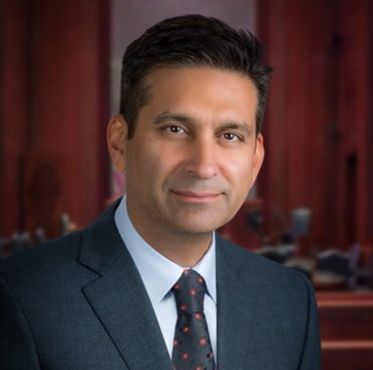
Max Alavi, Attorney at Law, APC, has decades of experience handling complex trust and probate disputes throughout California. The firm represents beneficiaries in high conflict matters involving significant assets, family owned businesses, and long standing family conflict.
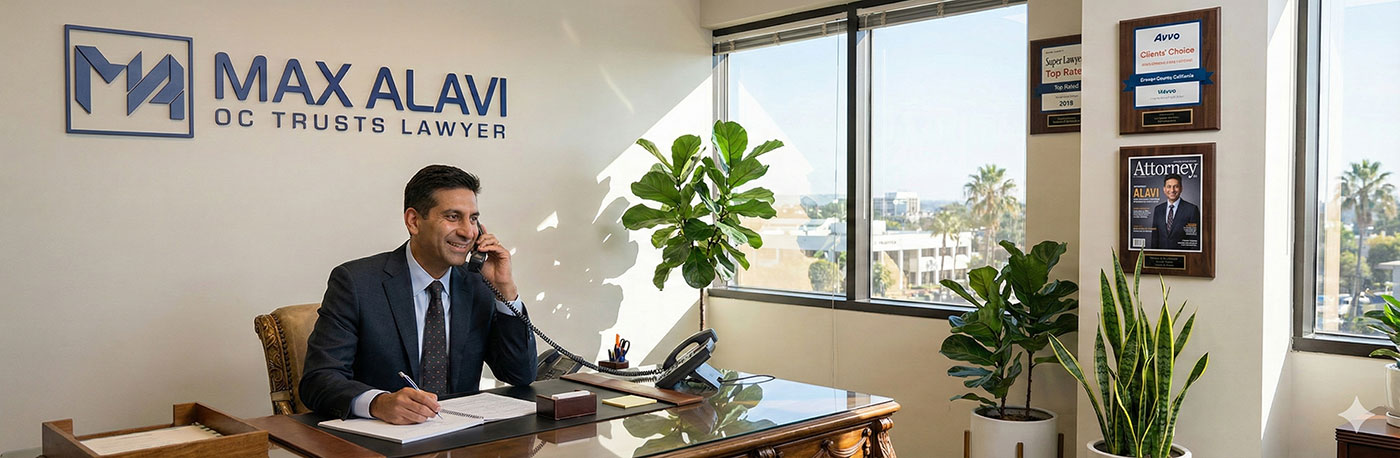
Recognized as a Super Lawyer and honored with the Client Champion Award by Martindale Hubbell, Max Alavi brings high level litigation tactics to every beneficiary dispute. Our firm is very well equipped in handling high worth estate matters and liability exposure for our clients.
In a notable 2024 victory, we represented a beneficiary against a professional fiduciary accused of mismanaging assets and taking excessive compensation, successfully securing a $30 million dollar outcome.
Whether the goal is obtaining proper accounting, stopping improper conduct, recovering missing assets, or securing court orders that move the case toward a fair distribution, Max Alavi, Attorney at Law, APC approaches beneficiary matters with a focus on protecting client rights and achieving practical results.
Beneficiary Representation
Areas We Serve
At Max Alavi, Attorney at Law, we have decades of experience in dealing with complex trust litigation matters throughout California. When you hire our legal team, you are bringing on the best and toughest litigators around to aggresively fight on your behalf.
Beneficiary Representation
Areas We Serve
At Max Alavi, Attorney at Law, we have decades of experience in dealing with complex trust litigation matters throughout California. When you hire our legal team, you are bringing on the best and toughest litigators around to aggresively fight on your behalf.
What Our Amazing Clients Have To Say


Why Clients Choose Max Alavi, APC
- Super Lawyers recognition based on peer review
- Extensive experience in California probate law
- Millions recovered in trust and probate litigation
- Strategic handling of trust and estate disputes
- Proven advocacy for surviving spouses and heirs
- Clear guidance through complex probate matters
- Outstanding dedication to every one of our clients


Let's Work Together - Tell Us Your Needs
At Max Alavi, Attorney at Law, APC, we understand the complexities of California probate law and are committed to providing solutions for trust and estate disputes. Contact us today to speak with one of our legal staff.