
Conservatorship in Orange County & LA County
Top Ranked Trust & Probate Lawyers in California
☰ Quick Facts About This Page
- Conservatorships limit personal decision making
- Courts require strong proof of need
- Family disagreements are common in filings
- Emergency temporary orders can quickly protect assets
- Conservators must report to the court
- Accountings help prevent financial abuse
- Real estate sales often need approval
- Conservator removal is possible
- Less restrictive options may apply
- Court procedures vary by county
Appointing a Conservator in California Probate Court
A conservatorship is a court supervised process where a judge appoints someone to help an adult who cannot safely manage personal care, finances, or both. The person appointed is called the conservator, and the protected adult is called the conservatee.
In California, conservatorships are handled in probate court and carries important obligations because becoming a conservator transfers a person’s fundamental rights and financial control directly into the hands of another. In Orange County and Los Angeles County, conservatorship cases often start after a health decline, dementia concerns, a major accident, or growing signs of financial exploitation. Sometimes the need is clear. Other times, the case becomes contested because family members disagree about capacity, control, or who should be appointed.
An experienced conservatorship attorney from Max Alavi, Attorney at Law, APC helps families, proposed conservators, and interested relatives handle conservatorship matters in Orange County and Los Angeles County probate courts, including contested hearings and emergency situations.
If you need to file a petition for emergency conservatorship, we can help – Call Us Now (949) 706-1919
Our Trust Litigation Case Process

1. Case Evaluation
We begin with a full review of the trust, will, financial records, and family history. Our legal team will identify your rights, deadlines, and the best legal path before anything is filed.

2. Court Filings
The case formally begins when a probate petition or trust lawsuit is filed in California probate court, often in Orange County Superior Court. This step sets the legal issues, brings all parties into the case.

3. Discovery and Settlement
Both sides exchange documents, take depositions, and file motions to address disputes. Many trust and probate cases resolve here through settlement discussions or court ordered mediation.

4. Trial and Resolution
If no agreement is reached, the case proceeds to trial before a probate judge. After a ruling, the court orders distributions, removals of fiduciaries, or financial recovery, and we handle enforcement or appeals if needed.
Begin Your Free Case Evaluation Now
Call to schedule a free and confidential consultation with a trust litigation lawyer.


Common Conservatorship Issues We Handle
Conservatorship matters can involve both routine filings and serious disputes. Our law firm and legal staff regularly assists clients with issues like:
- Filing petitions to appoint a conservator of the person or estate
- Emergency requests for temporary conservatorship orders
- Contested cases involving family conflict and objections
- Concerns about undue influence, isolation, or financial exploitation
- Conservator duties, reporting, and compliance with court rules
- Conservatorship accountings and disputes over spending
- Requests to sell real estate or manage complex assets
- Removal of a conservator and appointment of a replacement
- Coordination with related trust, probate, and elder abuse matters
California courts generally require proof that a conservatorship is necessary. Probate Code section 1801 describes when a conservator of the person or the estate may be appointed, including when a person cannot properly provide for personal needs, or cannot manage financial resources or resist fraud or undue influence.
The case typically begins with a petition. Probate Code section 1820 outlines required allegations in a petition for appointment of a conservator, including information about the proposed conservatee and the reasons the conservatorship is requested.
Top FAQs About Conservatorship
When should I speak with an attorney about conservatorship?
If there are signs your loved one cannot manage care or finances safely, or someone is exploiting them, early legal guidance can help you choose the correct path and avoid filing mistakes that delay protection.
What is the difference between a conservatorship of the person and the estate?
A conservatorship of the person focuses on care decisions, like housing and medical planning. A conservatorship of the estate focuses on finances, like managing accounts, paying bills, and protecting assets.
How does the court decide if a conservatorship is needed?
The court looks for evidence that the person cannot provide for personal needs or cannot manage financial resources or resist fraud or undue influence. Probate Code section 1801 is a central statute for that decision.
Can the court appoint someone quickly in an emergency?
Yes. In appropriate situations, the court can appoint a temporary conservator to address urgent safety or financial risks. Probate Code section 2250 addresses temporary conservatorships.
Does a conservator have to report to the court?
Yes. Conservators are under ongoing court supervision. That includes reporting and, in many cases, accountings and requests for court approval before major financial actions.
Can a conservator be removed?
Yes. If a conservator is not acting appropriately or is mishandling responsibilities, the court can remove the conservator and appoint a replacement, based on the facts and the court’s findings.
Temporary and Emergency Conservatorship
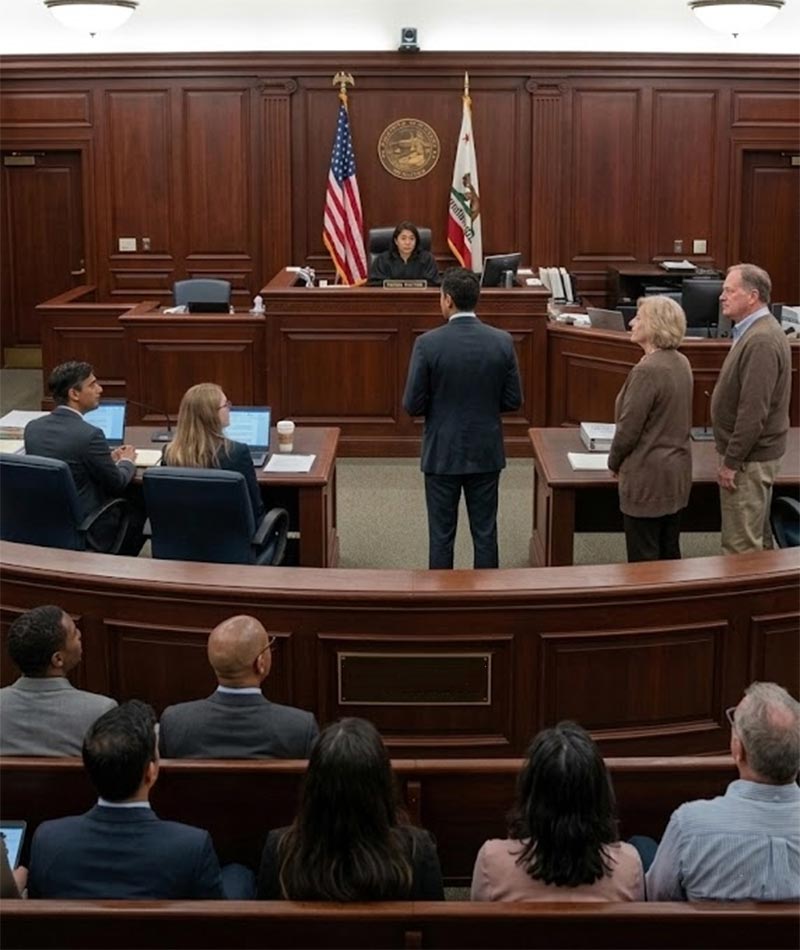
In certain situations, an emergency conservator petition through the probate court is crucial. If an elder is being pressured to sign documents, money is disappearing, or an unsafe caregiver situation is happening, a temporary conservatorship may be needed to stabilize the situation while the full case moves forward. Probate Code section 2250 allows the court to appoint a temporary conservator in appropriate circumstances. A temporary appointment can create immediate authority to protect a conservatee, secure property, and prevent further harm, but it is not meant to replace the longer term process.
In practice, emergency conservatorship requests work best when the evidence is organized, the timeline is clear, and the proposed conservator is prepared to follow court supervision closely.
Common Issues and Solutions in Conservatorship Cases
Conservatorships often involve high emotion and high stakes. The court is focused on safety, fairness, and preserving the conservatee’s rights as much as possible, while still providing needed protection.
Below are common conservatorship issues we see in Orange County and Los Angeles County, and the types of remedies probate courts can order.
Common Issues in Conservatorships |
Possible Solutions in Probate Court |
| Capacity and safety concerns, inability to manage care, medication, housing, or finances | Appointment orders, limited conservatorship terms, care related instructions |
| Emergency exploitation risk, suspicious withdrawals, pressure to sign deeds, isolation by a third party | Temporary conservatorship orders, restrictions on transfers, protective directives |
| Family disputes about who should serve, competing petitions, allegations of bias or conflict | Contested hearings, neutral fiduciary options, supervised powers where needed |
| Conservator spending questioned, reimbursements, caregiver payments, unclear expenses | Accounting orders, transaction review, surcharge related requests in serious cases |
| Real estate decisions, sale needed for care, occupancy conflict, maintenance issues | Court authorization for sale, structured sale terms, orders resolving occupancy issues |
| Conservator misconduct allegations, undue influence, failure to report, poor decisions, conflict of interest | Removal petitions, replacement appointments, court supervision and restrictions |
| Less restrictive alternatives considered, power of attorney disputes, capacity disagreements | Limited orders, targeted authority, court findings on necessity |
How Attorney Max Alavi Helps With Conservatorship
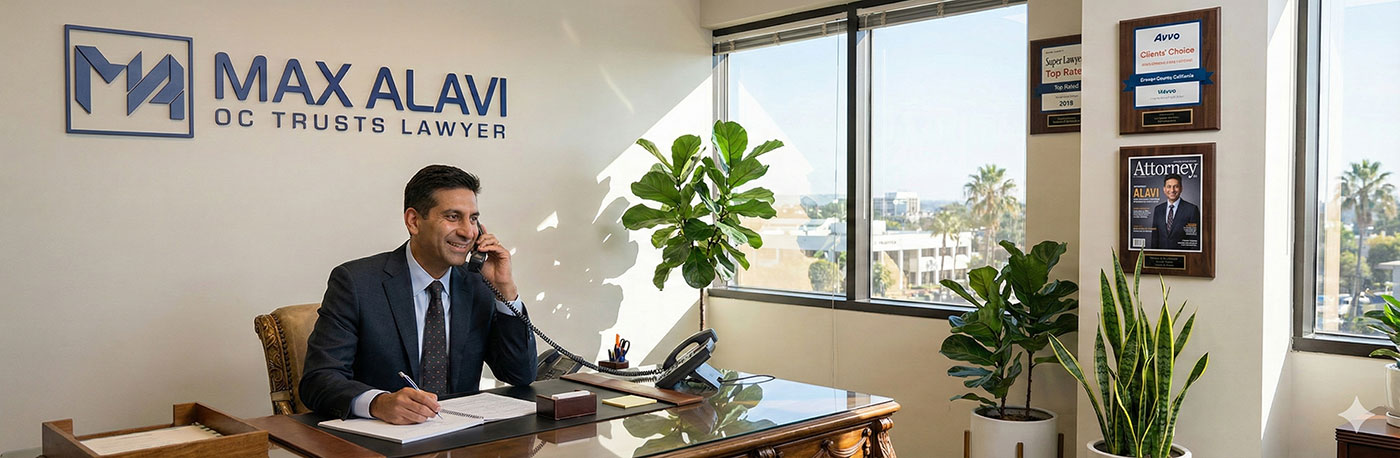
Conservatorship cases require more than filing paperwork. They demand strategic judgment, careful evidence presentation, and a clear understanding of how probate judges evaluate capacity, risk, and the need for court supervision. Max Alavi, Attorney at Law, APC has decades of experience handling complex probate, trust, and elder related matters throughout California. The firm represents clients in conservatorship cases involving significant assets, contested family dynamics, and urgent protection concerns in Orange County and Los Angeles County.
With millions recovered in trust and probate litigation, and Super Lawyers recognition, the firm is known for thorough preparation, clear strategy, and effective advocacy in probate court. Because our firm frequently handles high worth financial elder abuse cases, including a recent 30 million dollar fiduciary breach matter, we understand how important it is to have the right experience and knowledge required to fight for our clients best interests.
Whether your goal is establishing a conservatorship, opposing an unnecessary petition, obtaining emergency temporary orders, or addressing financial misuse through court supervision and accountings, our firm approaches each matter with a focus on protecting client rights and achieving the best results.
Conservatorship
Areas We Serve
At Max Alavi, Attorney at Law, we have decades of experience in dealing with complex trust litigation matters throughout California. When you hire our legal team, you are bringing on the best and toughest litigators around to aggresively fight on your behalf.
Conservatorship
Areas We Serve
At Max Alavi, Attorney at Law, we have decades of experience in dealing with complex trust litigation matters throughout California. When you hire our legal team, you are bringing on the best and toughest litigators around to aggresively fight on your behalf.
What Our Amazing Clients Have To Say



Why Clients Choose Max Alavi, APC
- Super Lawyers recognition based on peer review
- Extensive experience in California probate law
- Millions recovered in trust and probate litigation
- Strategic handling of trust and estate disputes
- Proven advocacy for surviving spouses and heirs
- Clear guidance through complex probate matters
- Outstanding dedication to every one of our clients


Let's Work Together - Tell Us Your Needs
At Max Alavi, Attorney at Law, APC, we understand the complexities of California probate law and are committed to providing solutions for trust and estate disputes. Contact us today to speak with one of our legal staff.